




Art History is world travel through the lens of visual culture and creative practice! We uncover the stories, ideas, and revolutions that have shaped the world through the arts. An art history concentration offers an immersive journey into the visual cultures of the past and present. Designed for curious minds and creative thinkers, our curriculum explores global art traditions, the power of visual expression, and the societal contexts that influence artistic innovation.
In this interdisciplinary program, students will analyze materials and movements from ancient civilizations to contemporary art, with opportunities to focus on diverse perspectives including Global South (non-Western) traditions, feminist and queer art histories, and the intersection of art with pressing social issues like climate change and cultural identity.
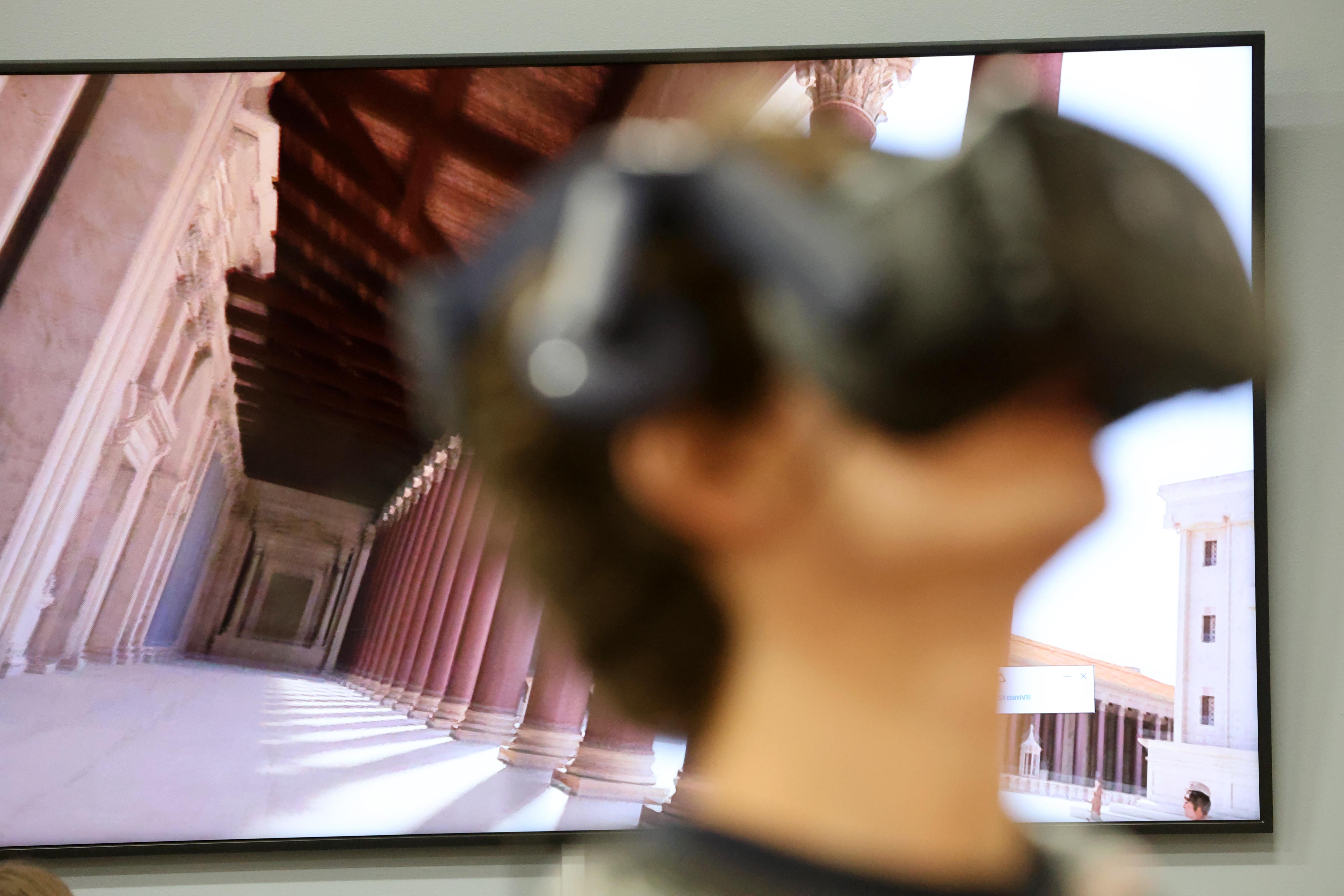
Our program combines rigorous academic training with experiential learning through hands-on exercises, field trips to regional museums and art institutions, VR experiences, and creative research practice. Through their selected minors and foreign language study, students also add depth and breadth to their understanding of the histories, cultures, and global circulation of objects.

Top 100
Jody Servon
Student at ReHappening at Black Mountain College


At Appalachian State, art history is more than a discipline—it’s a way to see the world. Graduates of our program are prepared for careers in museums, curation, education, cultural heritage management, and beyond, or to pursue advanced studies in art history, museum studies, and related fields.
Come explore the visual languages of humanity, connect with the Art Department’s vibrant artistic community, and discover your place in the ever-evolving world of art!
Senior Capstone
ARH 4030 – Seminar in Art Criticism and Theory
A seminar in the theory and criticism of art in which leading methods of analysis are examined through close reading and discussion. Major emphasis is placed on developing an expanded understanding of art and visual culture, and honing reading, writing, research, and presentation skills at an advanced level.

The best thing about art history is learning history through the lens of art, artists, and artifacts.
Sarah E. H. Cornett