Our curriculum is designed to cultivate highly competent and creative designers who are courageous and adaptable. Through exposure to a wide range of design practice, we build generalist skills and creative dexterity, leaving space for exploration and specialized interests. Our graduates are critically-aware professionals and valuable members of their communities.
Curriculum Highlights
- Our required classes are offered either fall or spring semesters.
- Incoming freshmen take their first graphic design class in their first semester with portfolio review at the end of the first year.
- Transfer students should start in the fall and take their first Graphic Design class their first semester. Portfolio review takes place at the end of their first year.
- Transfer students should be able to graduate in three years if they transfer to App with 30 hours.
- Students who do not pass the portfolio review can apply a second time or choose to complete a minor in Graphic Design by taking one more graphic design class.
- Students who start as freshmen are able to go on study abroad fall or spring semester in their junior year and still graduate in four years.
A detailed list of the BFA in Graphic Design program’s requirements and course descriptions can be found in the University Bulletin.
Graphic Design Requirements
First Year Fall
- ART 1006 – Digital Foundations (3 credits)
- ART 1132 – Introduction to Graphic Design (3 credits)
First-Year Spring
- ART 1232 – Introduction to Typography (3 credits)
- ART 1332 – Idea Lab* (3 credits)
- Graphic Design Candidacy Portfolio Review
Second-Year Fall
- ARH 2230 – History of Graphic Design (3 credits)
- ART 2132 – Static Design Systems I (3 credits)
Second-Year Spring
- ART 2232 – Dynamic Design Systems I (3 credits)
Third-Year
- Either ART 3132 – Static Design Systems II (3 credits), Fall
or ART 3232 – Dynamic Design Systems II (3 credits), Spring
Fourth-Year Fall
- ART 4132 – Graphic Design Senior Seminar (3 credits)
- ART 4232 – Graphic Design Senior Studio I (3 credits)
Fourth-Year Spring
- ART 4332 – Graphic Design Senior Studio II (3 credits)
- ART 4432 – Graphic Design Professional Practice [CAP] (3 credits)
Graphic Design Electives (12 Credits)
- ART 2302 – Hand-Lettering (3 credits)
- ART 3020 – Illustration (3 credits)
- ART 3132 – Static Design Systems II (3 credits)
If not already fulfilling Intermediate Studios requirement - ART 3232 – Dynamic Design Systems II (3 credits)
If not already fulfillng Intermediate Studios requirement - ART 3260 – Branding and Visual Identity (3 credits)
- ART 3312 – Motion Graphics (3 credits)
- ART 3322 – Sign, Symbol, Image (3 credits)
- ART 3332 – Design Methods (3 credits)
- ART 3602 – Special Topics in Graphic Design (3 credits)
- ART 3900 – Internship (1-6 credits)
- ART 4302 – Interface and Experience Design (3 credits)
- GCM 2012 – Introduction to Printing and Finishing (3 credits)
or GCM 3570 – Client Collaboration (3 credits) - Other with written approval of your advisor
Additional Degree Requirements
- Foundations (12 credits). Including ART 1006 taken first-year fall
- Studio Art and Photography (12 credits)
- Art History (12 credits). Including ARH 2230 taken second-year spring
- Professional Development (6 credits)
- General Education (41 credits)
Year One: Introductions
Students interested in studying graphic design at Appalachian start in the first semester of their first year here. They have a lot to learn and discover. Why wait?
Our program’s first year exposes students to a wide range of practice while building foundational graphic design skills. Most students who come here don’t really know what it means to be a graphic designer.
In their first year, they’ll work on projects that show them what design can do and who it could be for. They begin cultivating a design process, exploring the possibilities of what can be before deciding what works best.
They’ll begin learning the language of type, our raw material. They’ll learn about its anatomy—apex, barb, counter, stress and shoulder—along with some of its history and rules. They’ll also break some rules.
In Idea Lab, they’ll experiment with strategies to develop form and concepts. In design sprints, they’ll learn how to work quickly and not get too attached to ideas before evaluating them. They’ll generate ideas, refine them, scrap some or all before starting over. They’ll learn that making is a way of thinking and build the foundation of what it means to be a valuable member of a design team.
After all this, our students should have an idea of what it is like to be a graphic designer. If they want more, they can submit a portfolio for admission into the BFA program. If not, they can choose to complete a minor by taking one more class.
Years Two & Three: Systems
After passing our portfolio review, students learn how to work with and create design systems. Design systems organize elements to create a consistent visual language and message along multiple applications. These systems help designers organize content on a page, within a publication and on a website or app. They help a business or organization establish and maintain its brand identity. They give projects a rhythm and allow for surprises. They create design that is flexible, resilient and effective.
Second year students will focus on learning how to use design systems. Third year students learn how to make them and how to work with others to implement them.
All students will work with systems that adapt and change—during and after their creation. They’ll learn more about how they fit within a design team. They’ll discover their strengths and weaknesses. They’ll gain experience managing and leading projects as they collaborate with others.
As second and third year students explore design systems, they’ll have the opportunity to develop a Throughline Project. This project will start in Static Design Systems I and can be carried forward into our other design systems classes. The Throughline Project provides a way for students to create work in a variety of forms and media around a central theme or topic, building and testing its system along the way.
The Third Year
The curriculum path described above is for incoming freshmen. At its start and end, the path to a BFA in Graphic Design is straightforward. Courses in the first and last years must be taken the whole year and in sequence.
The second and third years can be compressed into one for:
- Freshmen who do not pass our portfolio review in the spring and who apply again and are accepted the next fall
- Students who started as freshmen interested in studying abroad during their junior year
- Transfer students, enabling them to complete the BFA in three years if they pass the portfolio review the first time.

Business cards
Charlie Ostrom
Installation view of Disparity, a piece that discusses the gender pay gap
Kaitlyn Robinson

Year Four: Capstone
In the fall of their final year, our students begin a dialogue between two classes that have thinking and making components.In ART 4132 Graphic Design Senior Seminar students will reflect back on what they have learned so far, take a closer look at where they (and graphic design) are today, and look ahead to their future.
They’ll research topics, methods, tools, histories, and contexts and develop paths of creative inquiry and project development plans. They’ll test their ideas through self-initiated projects in ART 4232 Graphic Design Senior Studio I. They learn what works and what doesn’t. They’ll think about what they made in seminar and evolve project ideas in studio. Of course, not all people like to think before they make. Some need to make before they think and these two classes allow for that, too.
At the end of our senior’s fall term, with several projects completed, they’ll know what to refine, what to scrap, what to continue, and how to extend their ideas. They’ll develop proposals for projects to complete in the spring in ART 4332 Graphic Design Senior Studio II.
While our seniors are working on their final projects and preparing them for publication or exhibition, they’ll also prepare for what comes after graduation. In our capstone course, ART 4432 Graphic Design Professional Practice, students will prepare their portfolios and resumes, document their work, and refine old projects as needed.
They’ll hone professional-related design skills such as, writing, organization, speaking, and time management.
Through research and readings, they’ll understand contemporary issues within design practice and the myriad modes of practice and opportunities ahead of them. Most importantly, they’ll have a better understanding of where they see themselves as a creative design practitioner in relation to the professional careers before them.
Electives
Besides their required program courses, students in Graphic Design choose elective courses that allow them to tailor the program to their talents and interests.
Internships
An internship is not required, but students can choose to undergo one to help fulfill elective requirements and gain real-world experience. Most, but not all, internship opportunities happen during the summer semesters.
Foundations
Our four Foundations courses lay the groundwork for advanced 2D and 3D studio courses.
Art History
Students gain a broad knowledge of art history in two survey classes and more specialized knowledge with an elective in a subject of their choosing. Our History of Graphic Design course covers graphic designers and meta-disciplinary creative thinkers who have shaped innovations in the field.
Studio Art and Photography
Elective offerings in photography and all studio art areas develop students’ formal and conceptual skills and provide opportunities for advanced study.
Professional Development
Study of Graphic Design’s intersections with other disciplines — anthropology, communication, marketing and others — enhances our students’ readiness for professional practice.
Introduction to Graphic Design and Introduction to Typography were very valuable learning experiences for me. I value the standards and challenges set for the students in these classes.
Brianna BrysonART 3260 – Branding and Visual Identity
In this course, students learn how visual identities are created and brought to life in the real world. You’ll develop brand concepts, build flexible identity systems, and create brand guidelines that can be used across print, digital, and environmental applications. The course looks beyond logos to explore how branding connects to strategy, positioning, and storytelling. Alongside studio projects, you’ll also explore the history of visual identity and think critically about how brands shape culture and everyday experiences today.
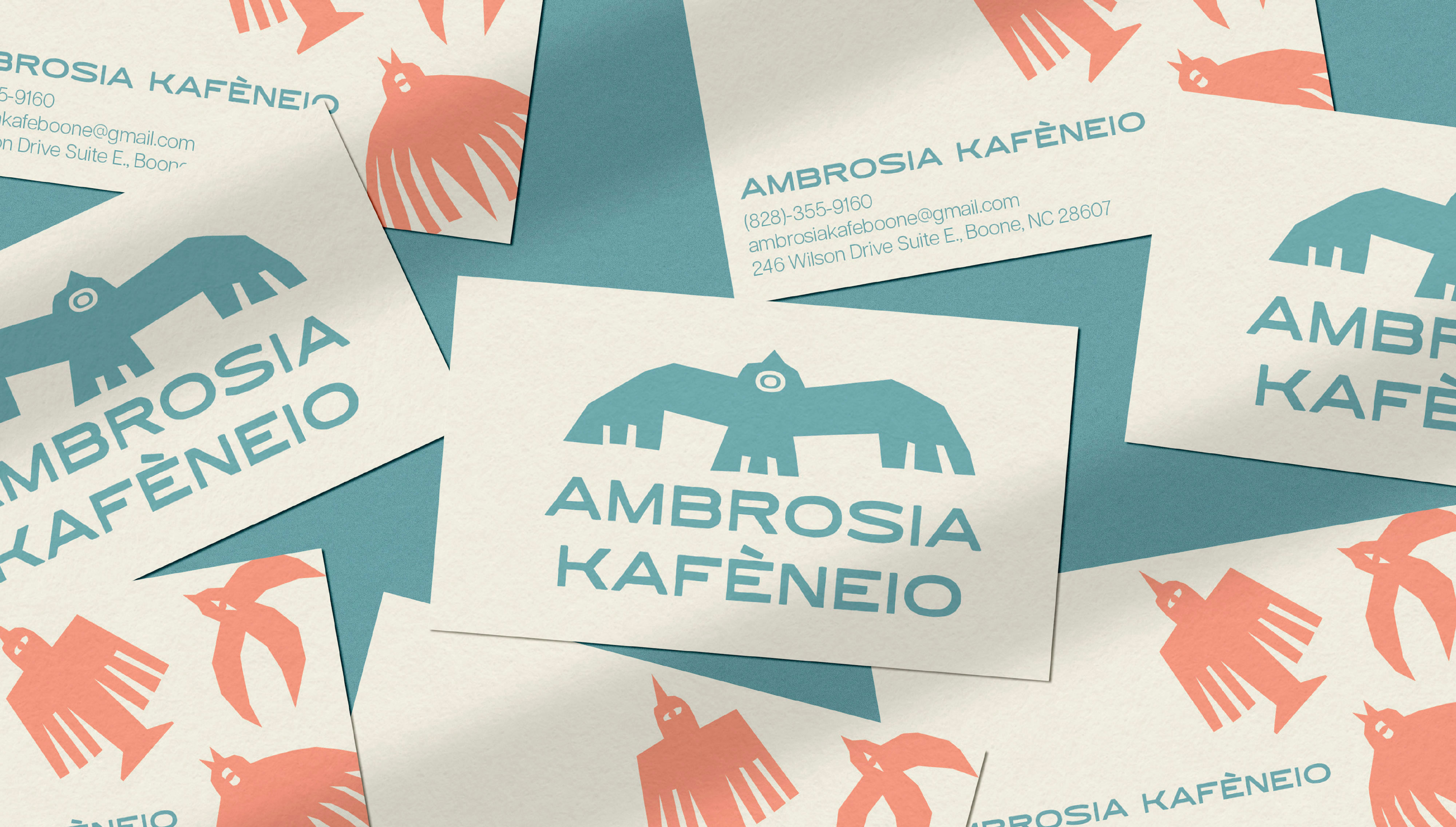
 Sketches for Ambrosia Kaféneio Logo
Annie
Fairey
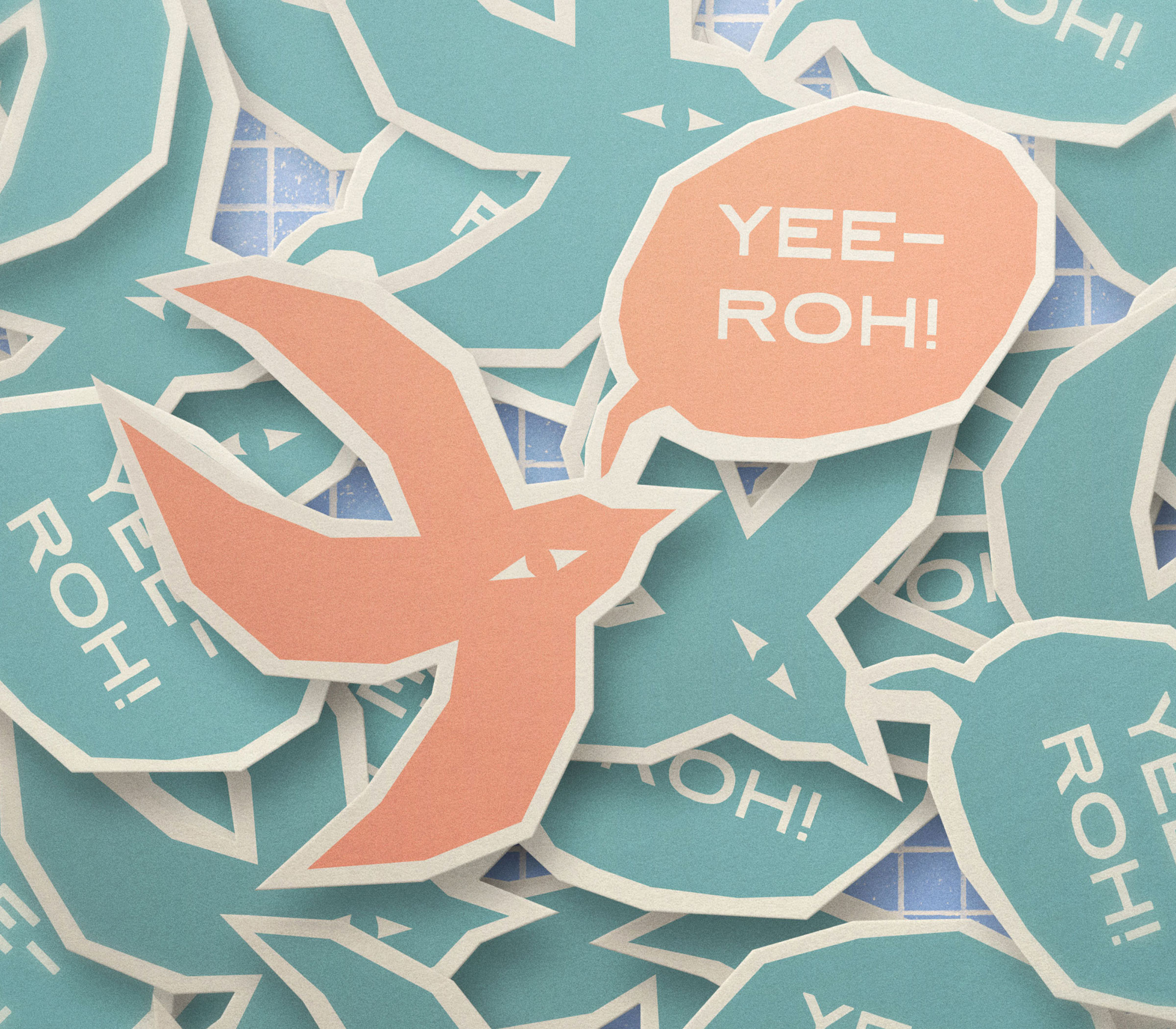 Stickers for Ambrosia Kaféneio
Annie
Fairey
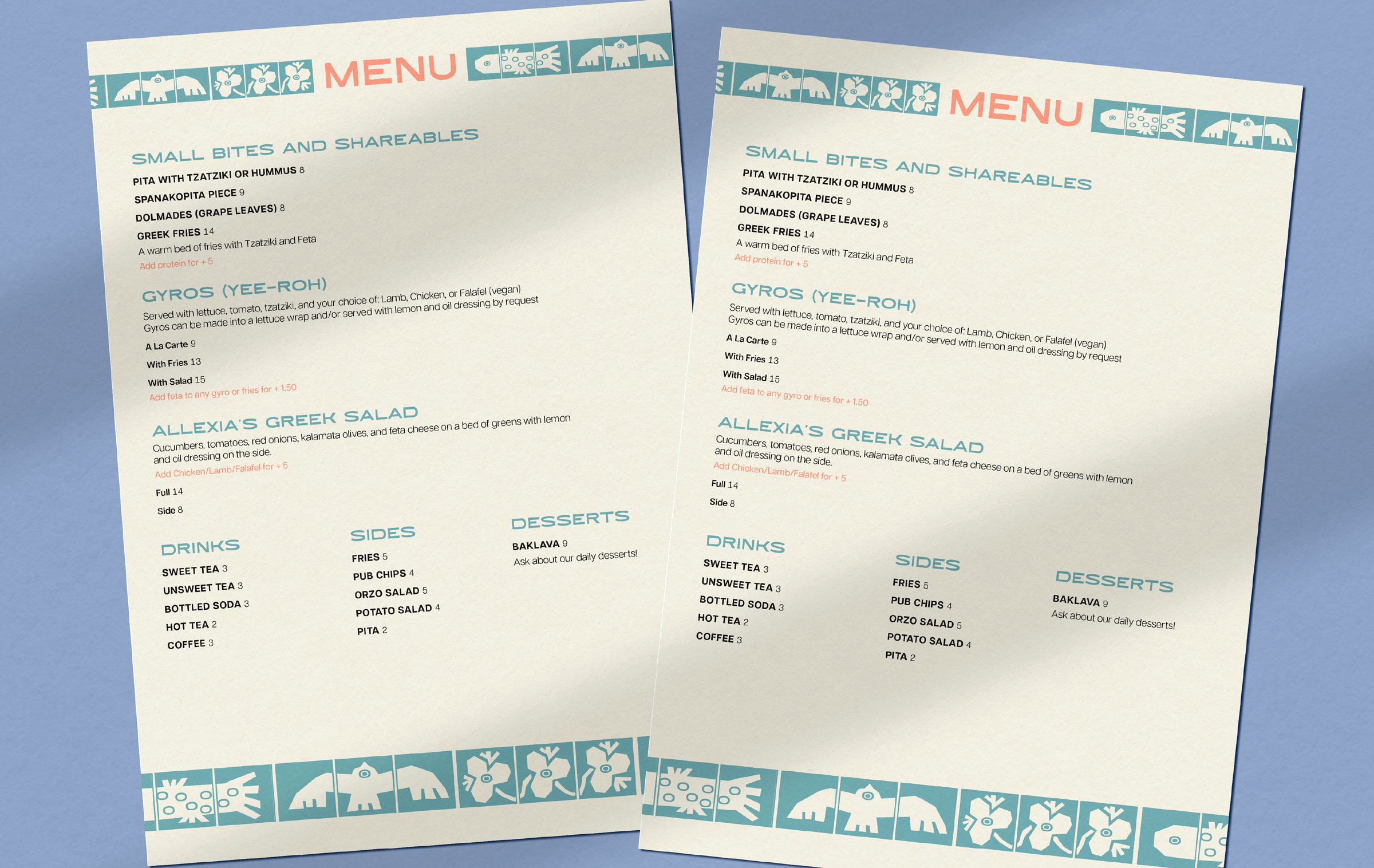 Ambrosia Kaféneio Menus
Annie
Fairey
 Hullabaloo Logo
Annie Fairey &
Nita Montague
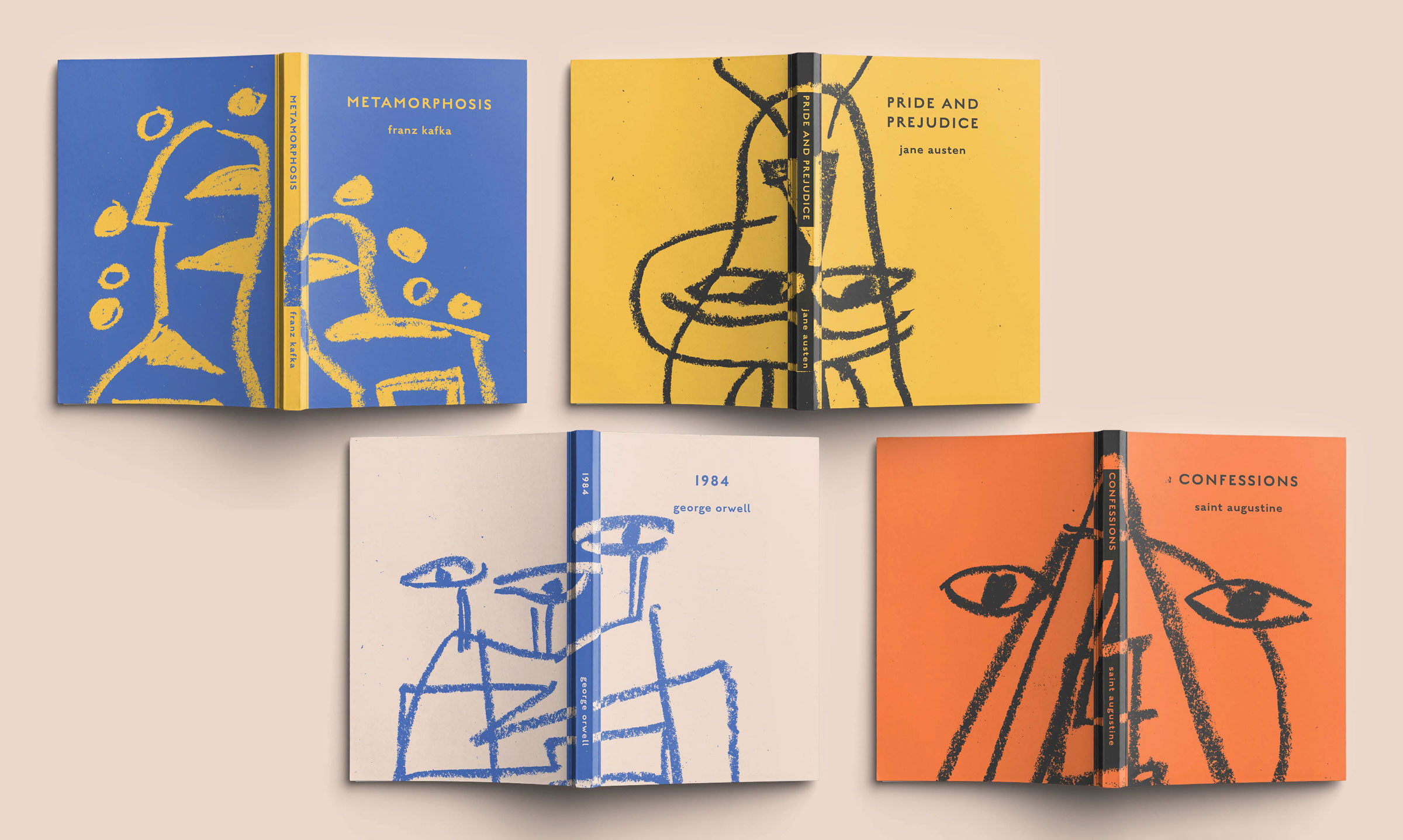 Hullabaloo Book Covers
Annie Fairey &
Nita Montague
 Hullabaloo Tote Bad
Annie Fairey &
Nita Montague
 Bee Thai Kitchen Business Cards
Juliana
Maurer
 Bee Thai Kitchen Menus
Juliana
Maurer
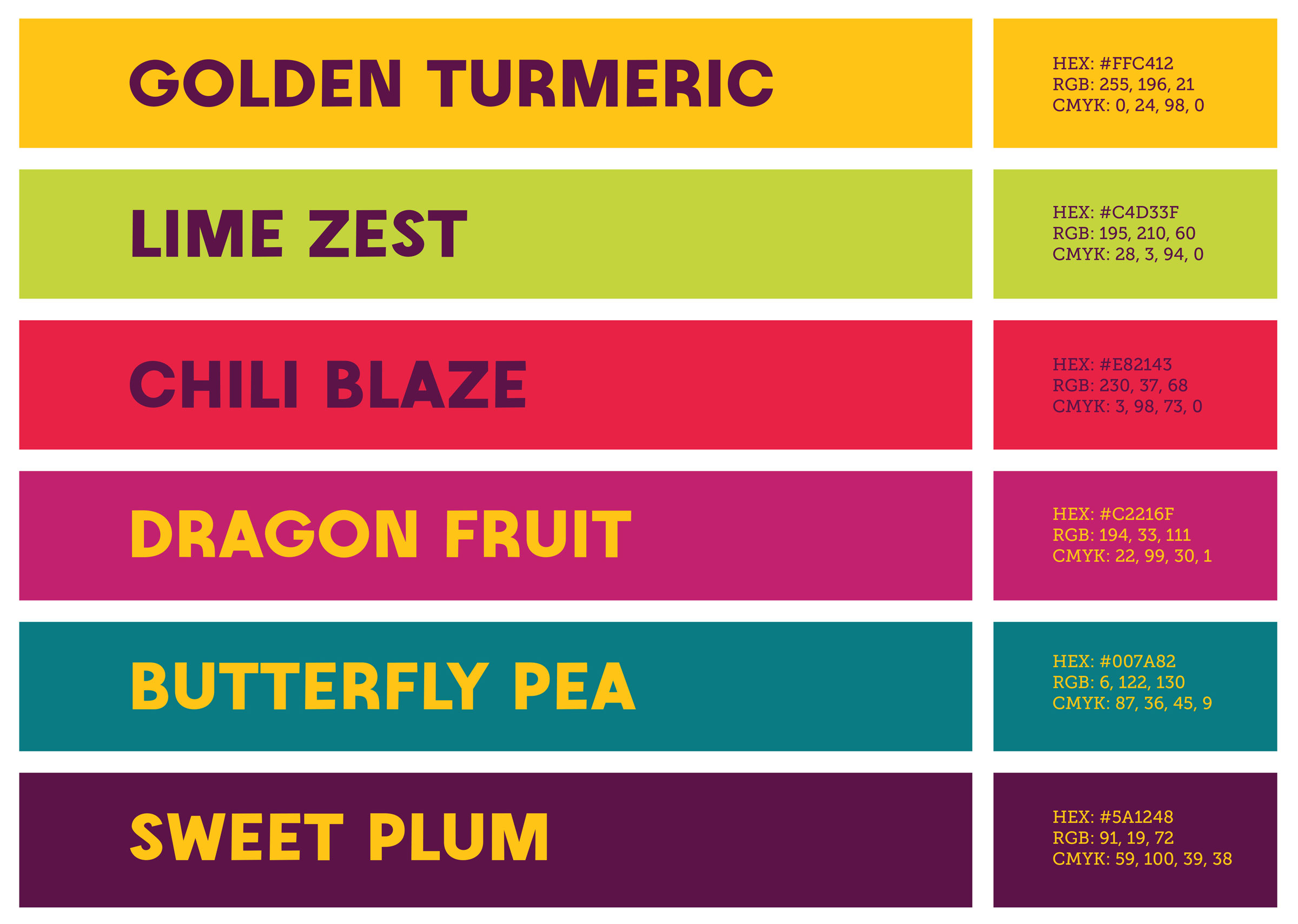 Bee Thai Kitchen Color Palette
Juliana
Maurer
 The Village Cheese Shanty website
Amalie
McCracken
 The Village Cheese Shanty sandwich packaging
Amalie
McCracken
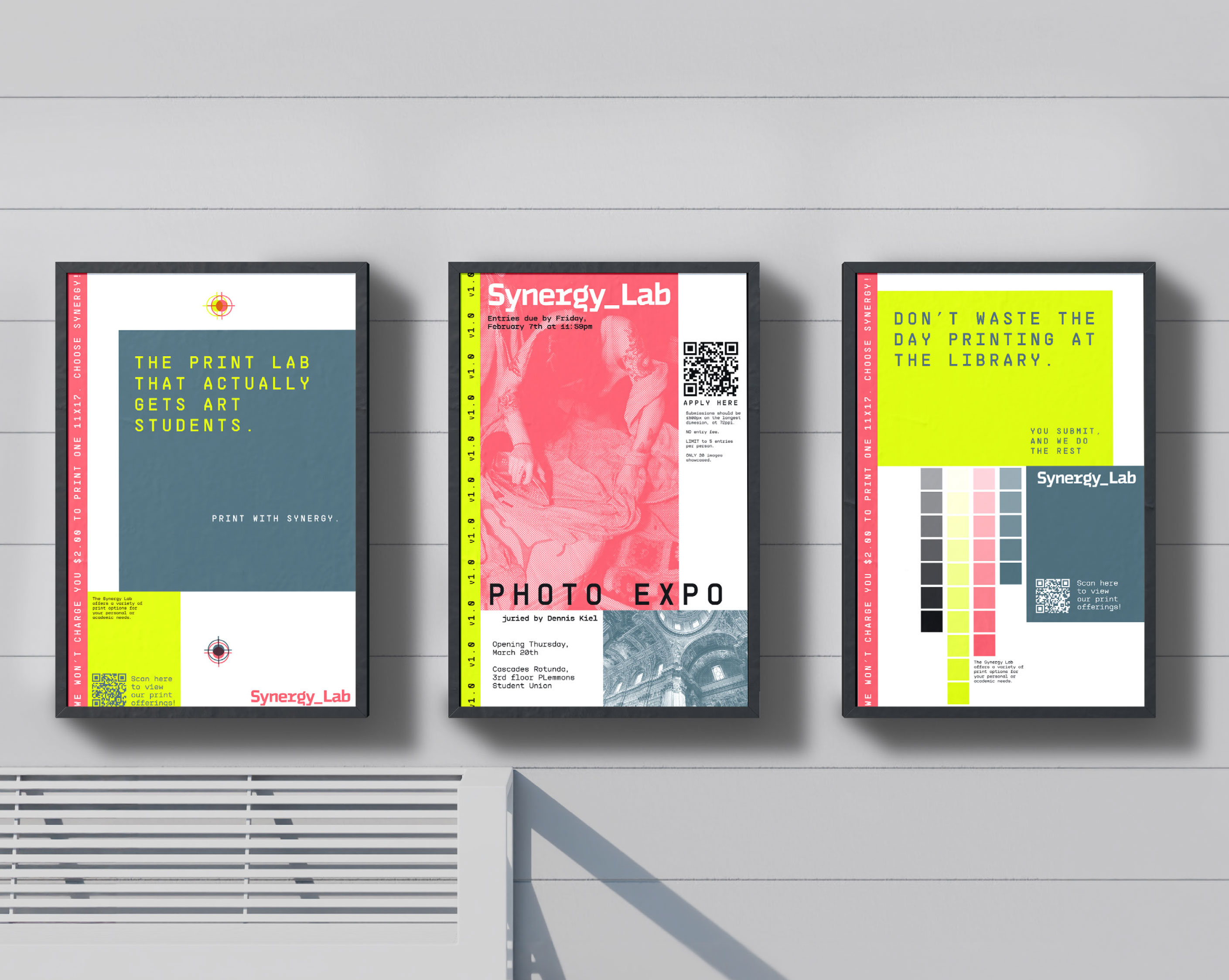 Synergy Lab Posters
Chloe Cook &
Mason McCaffety
 Synergy Lab Signage
Chloe Cook &
Mason McCaffety
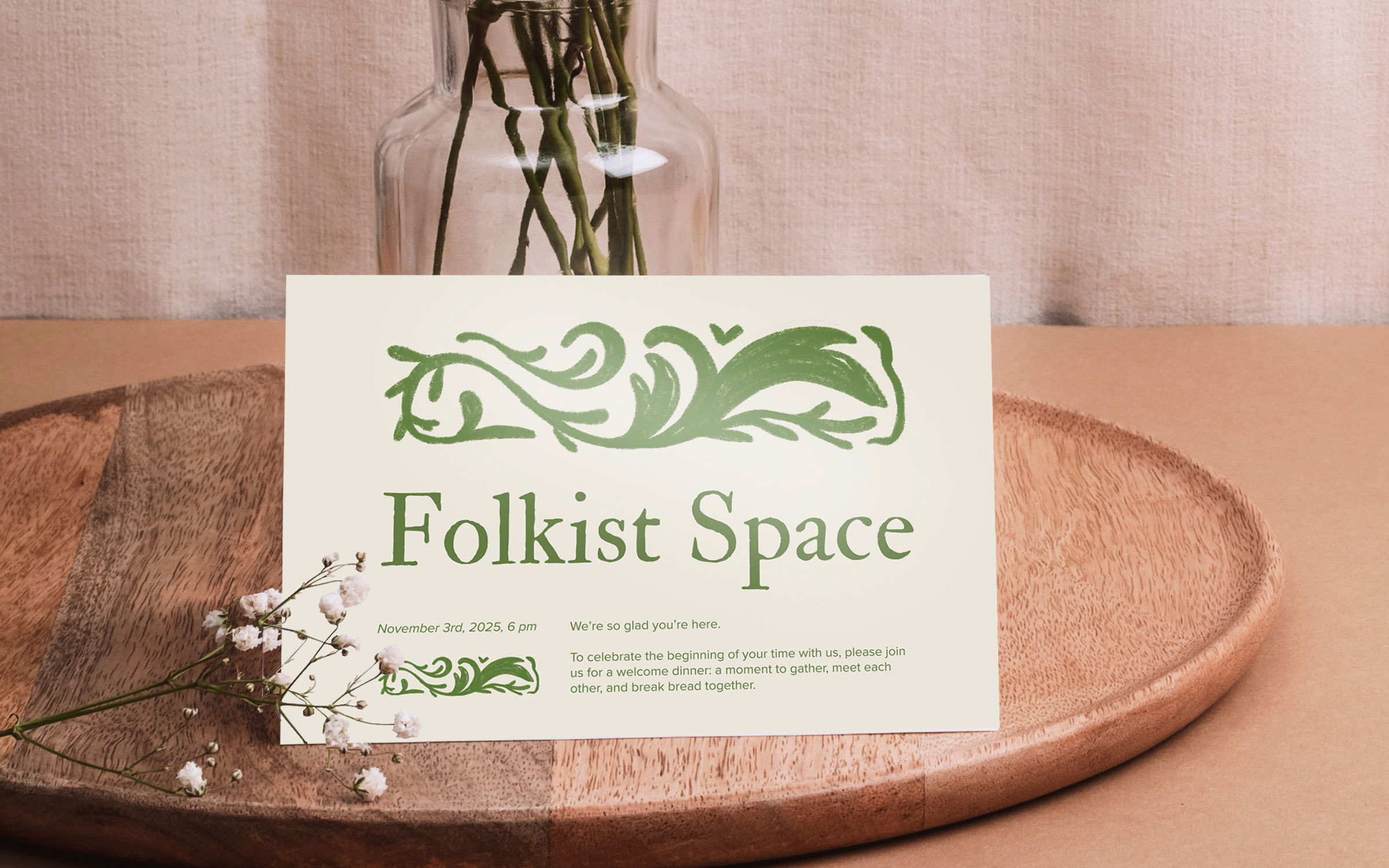 Folkist Space Welcome Card
Juliana Maurer &
Maddy Cole
 Folkist Space Website
Juliana Maurer &
Maddy Cole